Flipped Classroom
The Flipped Classroom is a teaching method that combines synchronous and asynchronous learning.

Showing 21–30 of 53 methods
The Flipped Classroom is a teaching method that combines synchronous and asynchronous learning.
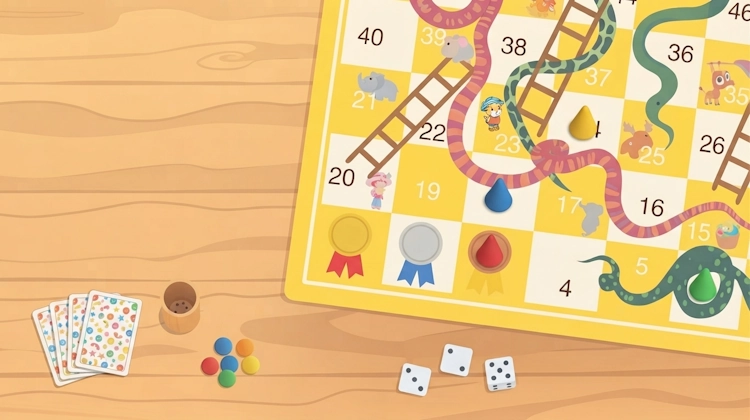
Tools: role cards, points/XP system, game scenario, rulebook, gameplay schedule, timer, and an online platform for collaborative result sharing Best for: fostering engagement, collaboration, decision-making, communication, and sustained long-term motivation
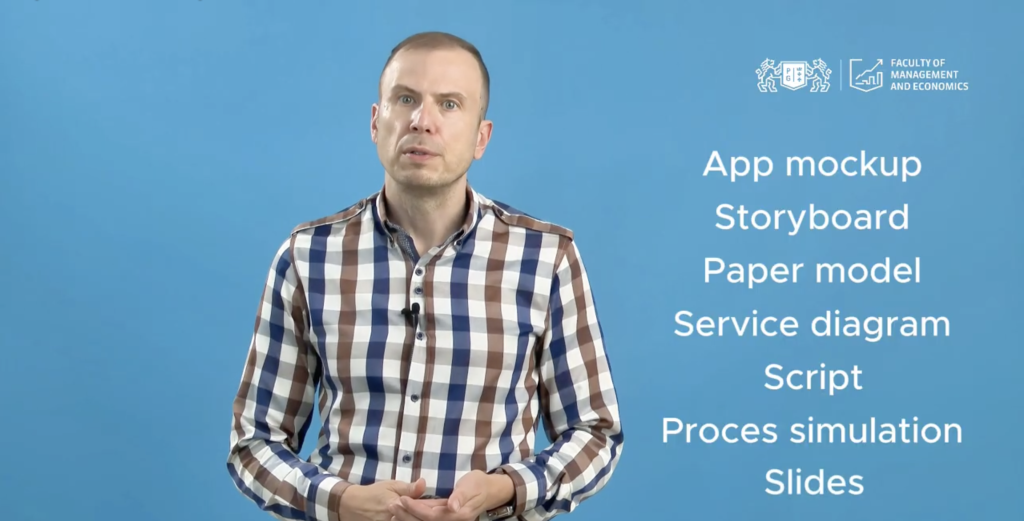
A hackathon or innovation sprint is an intensive, clearly structured form of teamwork focused on a single challenge, carried out within a limited timeframe and according to previously agreed criteria.
HyFlex is a teaching model in which courses are designed to allow students to participate through different, as far as possible equivalent, modes of learning

Improvement and Coaching Kata supports lifelong learning by guiding students towards both individual and team development goals. It helps them see an academic course as one stage in a longer learning journey, rather than a self-contained educational project, and encourages them to treat mistakes and uncertainty as natural parts of learning. It

Inquiry-based learning begins with a well-designed question or problem that does not have a single obvious answer.

An interactive lecture is a way of teaching a large group of students that moves beyond the traditional model of one-way knowledge transmission.

The Jigsaw Classroom, also known as the Jigsaw method, involves dividing material into sections, with individual students responsible for different parts before teaching one another in new groups.

This is a teaching method in which the instructor adjusts the course of a class based on feedback collected from students shortly before the session.
Learning stations are an active learning method in which students work at several stations, each containing a different task related to the topic being studied.