
Just-in-Time Teaching
This is a teaching method in which the instructor adjusts the course of a class based on feedback collected from students shortly before the session.

Tools: role cards, points/XP system, game scenario, rulebook, gameplay schedule, timer, and an online platform for collaborative result sharing
Best for: fostering engagement, collaboration, decision-making, communication, and sustained long-term motivation
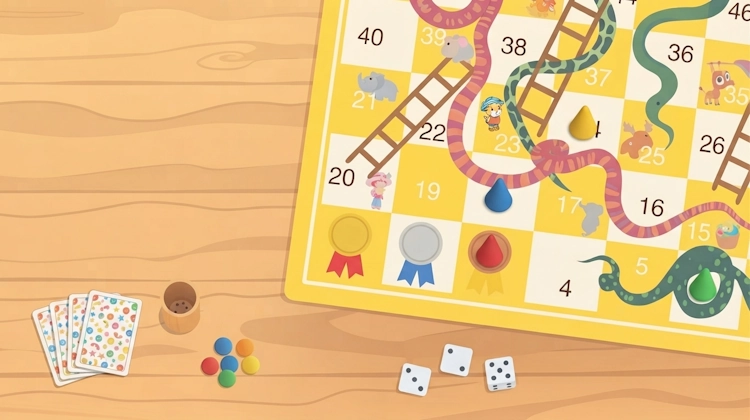
Gamification is an approach to lesson design in which the learning process is structure like a game, with clearly defined goals, rules and stages of work. It does not change the
learning content itself, but rather the way students engage with tasks, make decisions and observe the consequences of their actions. In practice, gamification uses mechanisms such as points or experience points (XP), levels, badges, challenges and missions, alongside rapid feedback, simple narrative frameworks and teamwork. A well-designed system draws on the psychology of motivation: it supports autonomy by giving students choices of paths or strategies, builds a sense of competence through tasks of increasing difficulty, and strengthens relationships when achieving goals requiring collaboration and shared roles.
The effectiveness of gamification depends mainly on the quality of the design and on how well the chosen mechanics are aligned with the learning objectives and the needs of the group. A thoughtful system increases student engagement, helps maintain concentration and encourages repeated attempts, especially when it includes iteration, opportunities to learn from mistakes and brief reflection after completing a task. At the same time, gamification requires balance. Excessive use of game elements, or too much emphasis on external rewards, may weaken intrinsic motivation, while poorly designed rankings can encourage unhealthy comparison rather than support the learning process.
Course: Demography
Topic: Game: Political Career
Students work in teams as political parties in a semester-long simulation game centred on building a political career within a changing demographic landscape. Each task represents a stage of the campaign during which teams acquire resources — such as public support and financial capital — while learning to apply demographic theories in practice and to operate effectively under conditions of pressure and competition.
Introduction to the Task – Campaign Context (10 min)
The teacher presents the press conference as the point at which each party enters the public debate. They explain the task rules, assessment criteria, and the mechanics for gaining resources, such as votes and financial capital. The teacher emphasises that the purpose of the conference is to use demographic theory as a basis for realistic policy-making.
Team and Role Formation (10 min)
The students form teams of 5–6, each representing a political party. Each group chooses a name, assigns roles, such as leader, strategist, expert or press spokesperson, and agrees on how it will work. The team makes its first organisational decisions: who is responsible for content, who manages communication and who defends the party’s position. Optionally, the group may create a visual identity, such as a logo, to be used in later stages of the game.
Preparing the Party Programme (20 min)
Each team draws a demographic theory, which becomes the basis of its political programme. Students analyse the origins and context of the theory, translate it into public policy proposals and select relevant demographic problems to address. At this stage, they focus deliberately on the strengths of the theory, while its weaknesses remain unspoken and may be exposed during questioning.
Press Conference – Presentations (30 min)
Teams present their programmes in the form of a public speech. The format is flexible, but persuasive communication and a coherent narrative are essential. Each presentation ends with the allocation of initial resources, such as votes, depending on the quality of the performance.
Summary of Results (10 min)
The teacher allocates resources, such as votes and funds, based on the quality of the programme, the effectiveness of communication and the team’s ability to defend its position. They emphasise that the result reflects the team’s decisions as a whole, not just a single presentation.
Summary of Results (10 min)
During the reflection and analysis stage, students pause the game and examine their experience. Presenting teams identify which elements of the theory they genuinely understood, where gaps became visible under the pressure of questions and which communication choices proved effective. Press spokespersons reflect on which questions were accurate and why, what helped move the discussion beyond general statements and how arguments can be distinguished from rhetoric. At team level, students also reflect on collaboration, role distribution and their responses to the actions of other groups.
Easier → Add selected game elements (e.g. points, missions, levels) to existing tasks.
More Challenging → Design a complete decision-making game with roles and resources, where students’ actions lead to specific consequences.
Formative Assessment
Observe how students analyse the problem, formulate arguments and interpret the results of their work. Pay attention not only to the correctness of their answers, but also to their reasoning and collaboration within the group. Short end-of-class activities, such as a reflective question, reports or a brief recommendation for solving the problem, may also be helpful.
Summative Assessment
At the end of the game, assess the final outcome, for example the number of points earned, resources acquired, or objectives achieved, but always in relation to the intended learning outcomes.
This is a teaching method in which the instructor adjusts the course of a class based on feedback collected from students shortly before the session.
EduScrum works well in higher education because it develops both subject knowledge and future-oriented competences, such as collaboration, self-organisation and responsibility for the learning process.
The Flipped Classroom is a teaching method that combines synchronous and asynchronous learning.